Operational knowledge, codified. Each piece translates direct enterprise experience into frameworks practitioners and executives can act on — from blog posts on emerging threats to published books and research articles.
A poisoned tool response, a blocked export, an unavailable approver. This operational drill tests whether your organization can contain an AI agent and everything it delegated, reconstruct authority and outcomes from evidence rather than the agent's narrative, and restore service through an accountable human restart decision, with a scorecard for what the exercise actually established.
Most organizations that claim to govern their AI systems are doing something closer to documentation theater. Policies, review boards, and risk registers are disconnected from what the AI system actually does at runtime. This post explains the enforcement gap, why detection and audits alone cannot close it, what the ACR Standard provides as a control framework, and the practical steps CISOs should take to deploy runtime control now.
The OWASP Top 10 for Agentic Applications is a strong threat taxonomy. It is not a control model. It tells you what can go wrong with autonomous AI systems. It does not define the mandatory runtime conditions that make those systems governed. That is the gap the ACR Standard is built to close. This post walks through where OWASP gets it right, where it stops short, and provides a full crosswalk mapping each OWASP category to ACR control pillars.
Project Glasswing goes beyond faster vulnerability discovery. It eliminates the foundational constraints modern cybersecurity depends on. AI-driven vulnerability discovery collapses the time between exposure and exploitation to near-zero, rendering detection, prioritization, and patch-based models structurally insufficient. The only defensible model is control at runtime, enforced at machine speed.
If agentic AI can act without traversing a hardened enforcement boundary, you have policy theater — not risk management. Runtime governance requires a control plane that enforces policy at the moment an agent intends to act, provides auditable evidence, and constrains delegated authority. The gap between governance intent and governance effect is the largest unpriced risk in enterprise AI today.
What the PyPI Supply Chain Attack Means for Every Organization Running AI
LiteLLM versions 1.82.7 and 1.82.8 on PyPI were compromised with credential-stealing malware as part of a month-long campaign by TeamPCP that included Trivy, KICS, a self-propagating npm worm, and Kubernetes wipers with Iran-targeted destruction. The implications for AI governance are immediate.
What the AWS AgentCore Sandbox Bypass Means for AI Governance
BeyondTrust Phantom Labs demonstrated a full sandbox escape from AWS Bedrock AgentCore using DNS-based C2. The implications for AI governance are significant, and most organizations are not accounting for this class of risk.
The ACR Control Plane is now a working reference implementation—open source, deployable, and designed to prove that runtime AI governance is not theoretical. It is operational.
Why 2026 Is the Year Enterprises Must Move From Policy to Runtime Control
AI governance is entering its enforcement era. Learn why enterprises must move from policy documents to runtime control architectures like the ACR Standard.
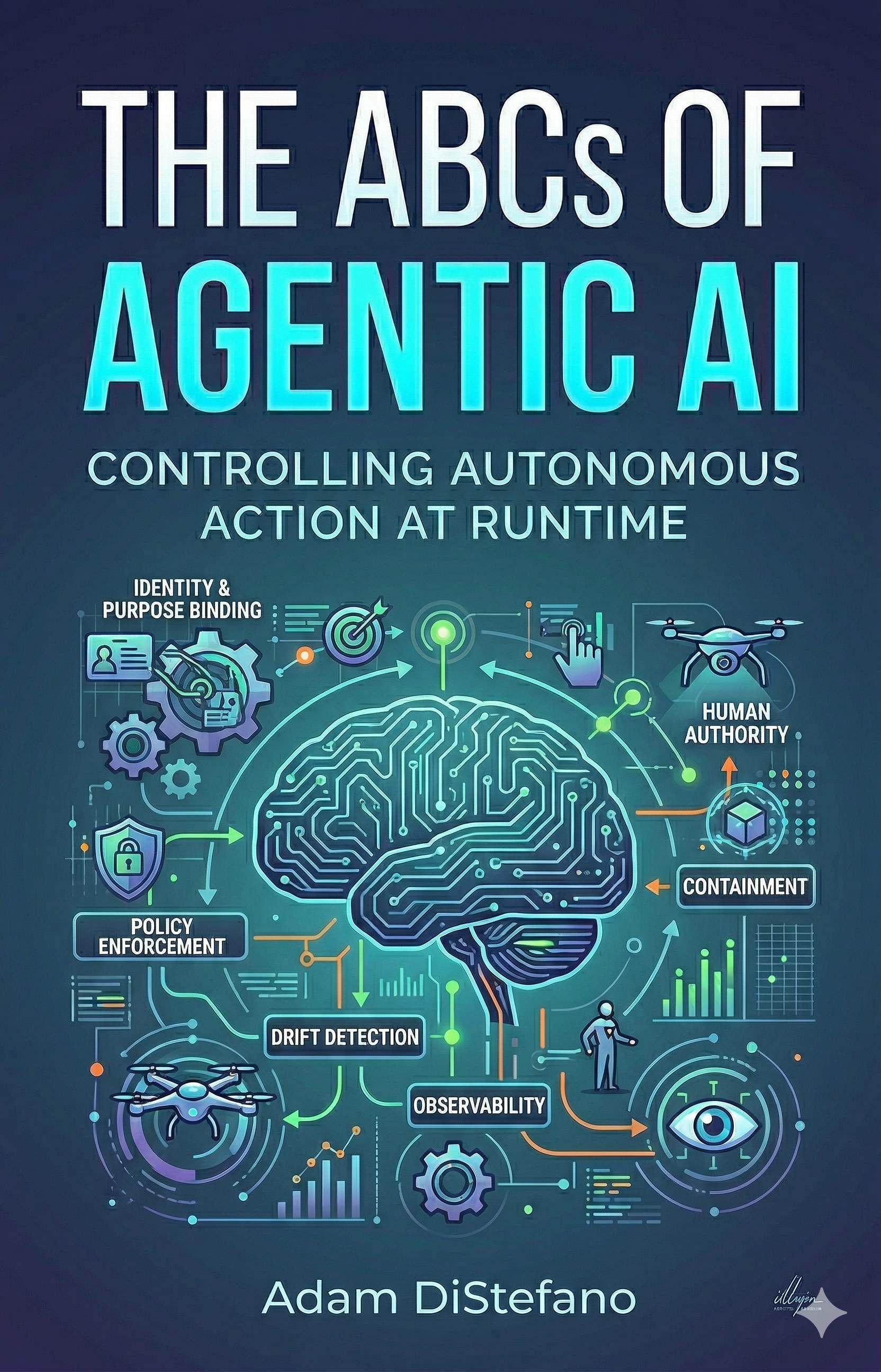
The definitive guide to governing agentic AI in production. Covers the ACR Standard, runtime enforcement architecture, agentic threat defense, and evidence-first governance for enterprise environments.
Analysis of how social platforms are weaponized for influence operations, disinformation, and threat intelligence — applying the same analytical rigor used in security operations.